
From Research to Rankings: An SEO Content Case Study for Haridwar University
This portfolio case study documents my contribution to developing and optimising an educational article for Haridwar University. It outlines the research process, content strategy, implementation and early organic performance using publicly available content and project observations.
Project Snapshot
Organisation
Haridwar University, Roorkee
Industry
Higher Education
Project
Educational SEO Content
My Role
Keyword Research, Content Strategy, Content Writing, On-page SEO, Original Visual Assets and Performance Tracking.
Project Objective
Create a practical, search-focused educational resource that helps engineering students discover AI project ideas based on their branch, skill level and career goals, while improving the organic visibility of Haridwar University’s educational content.
The objective of this project was to create a high-quality educational resource around AI projects for engineering students. Instead of writing another generic list of project ideas, I wanted to build a practical guide that genuinely helps engineering students choose projects based on their skills, academic branch and career goals.
Every decision throughout this project was driven by search intent, competitor analysis and the overall usefulness of the content. My goal was not to publish quickly, but to create a resource that could continue attracting relevant organic traffic over time.
Early Performance (First 20 Days)
The article was published on 11 July 2026. The following performance data reflects the first twenty days after publication, based on Google Search Console as of 31 July 2026.
204
Organic Clicks5,564
Impressions3.7%
Average CTR7.4
Average Position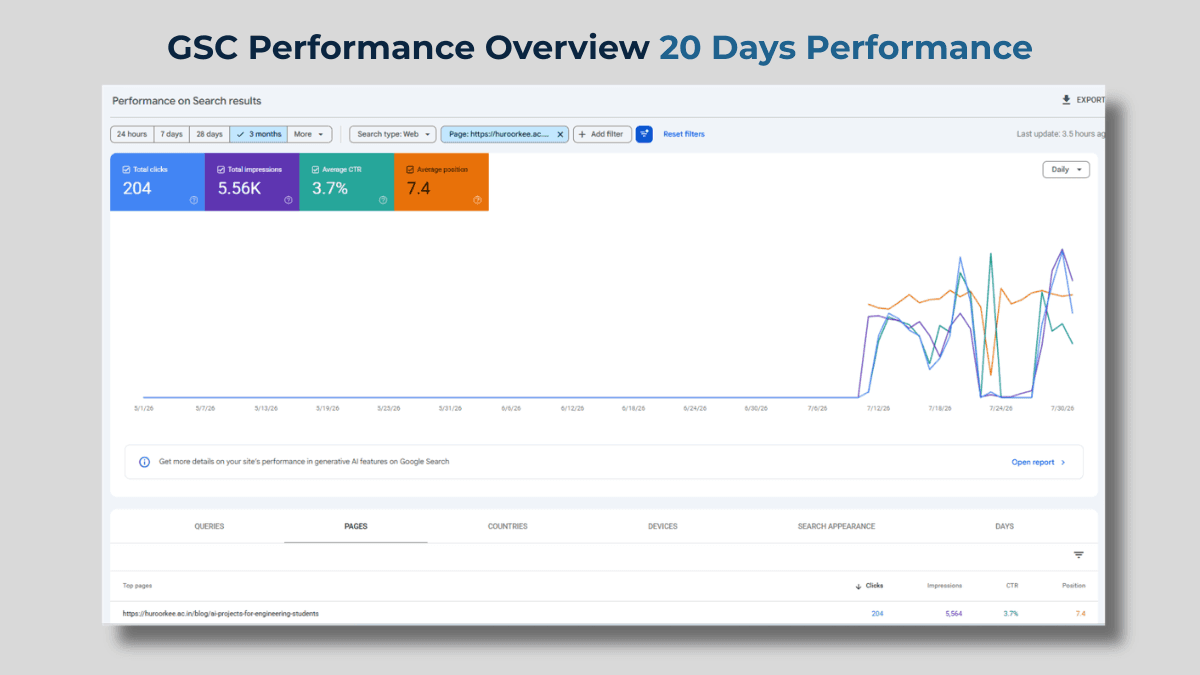
For a newly published educational article, these early signals were encouraging. The page was indexed quickly, started appearing across relevant search queries and reached an average position of 7.4 within the first few weeks. More importantly, impressions and clicks continued to grow instead of dropping immediately after indexing, indicating that Google was consistently testing the content for relevant searches.
My Observation
I don’t consider these numbers to be a final achievement because SEO is a long-term process. However, they provide meaningful early evidence that the research, content structure and search intent alignment were moving in the right direction. This case study will continue to be updated as the article gains more visibility and rankings over time.
Research & Content Strategy
Before writing the article, I wanted to understand what engineering students were actually looking for instead of assuming what they needed. Rather than beginning with AI theory, I studied Google’s search results to identify the dominant search intent behind the topic.
The search results consistently showed that users were searching for practical project ideas rather than explanations of Artificial Intelligence. Google’s People Also Ask section, Related Searches and the top-ranking pages all revolved around questions such as choosing the right project, finding beginner-friendly ideas, building a portfolio and selecting final-year projects. This clearly indicated that users wanted actionable guidance instead of introductory theory.
Based on these observations, I decided not to create another article that simply listed AI projects. Instead, I structured the content around the complete decision-making process that an engineering student typically follows while selecting a project. The article groups projects by difficulty level, engineering branch, required skills and career value, making it easier for readers to choose a project that matches their goals.
I also reviewed the leading articles already ranking for this topic. Most of them provided long lists of AI projects with brief descriptions, but very few explained who each project was suitable for, what skills were required or how the projects could contribute to internships, placements and portfolio building. This presented an opportunity to create a more practical resource instead of competing only on the number of project ideas.
Key Decision
The biggest strategic decision in this project was to focus on search intent rather than keyword repetition. Instead of trying to target every variation of the keyword, I focused on creating content that answered the questions users were actually asking. This approach shaped the entire structure of the article and influenced every section that followed.
Content Creation & Original Visual Assets
After completing the research, the next step was to transform those observations into a resource that was genuinely useful for engineering students. Instead of creating another article that simply listed AI project ideas, I focused on improving the overall learning experience by organising the content into a clear and practical structure.
The article categorises AI projects based on difficulty level, engineering branch, required skills and practical applications. This allows students to quickly identify projects that match their academic background and learning objectives instead of scrolling through a long, unstructured list.
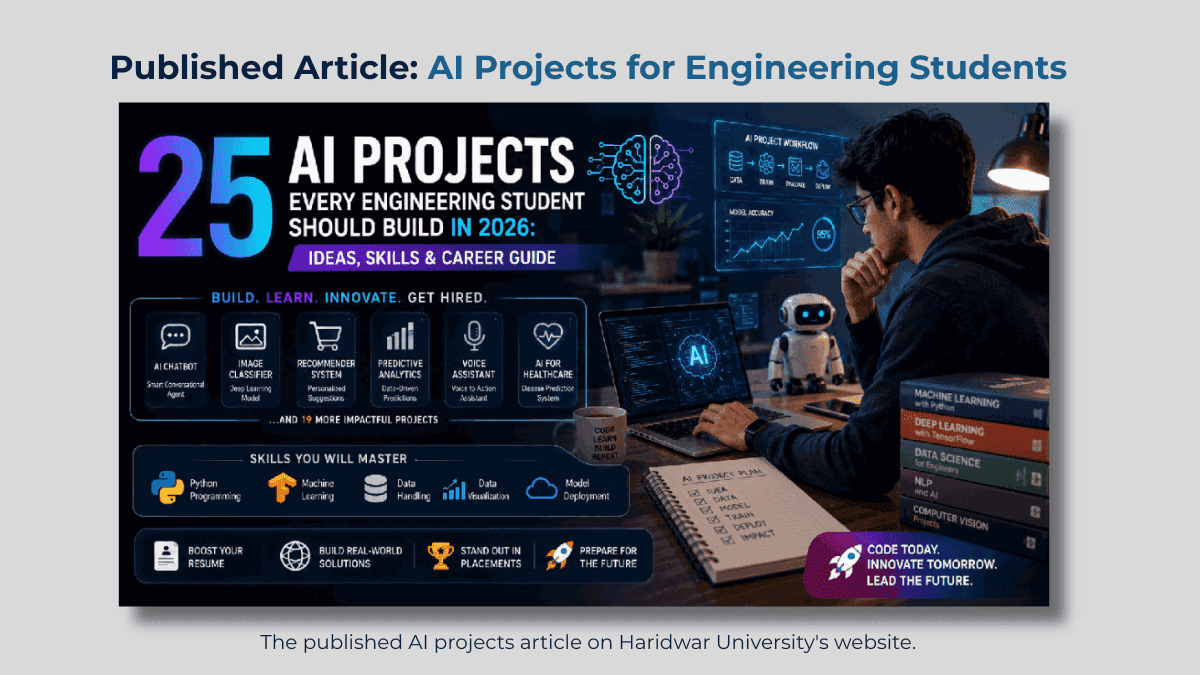
To further improve clarity, I designed original visual assets specifically for this article. Rather than using generic stock graphics, these visuals were created to simplify complex decisions and help readers navigate the content more effectively.
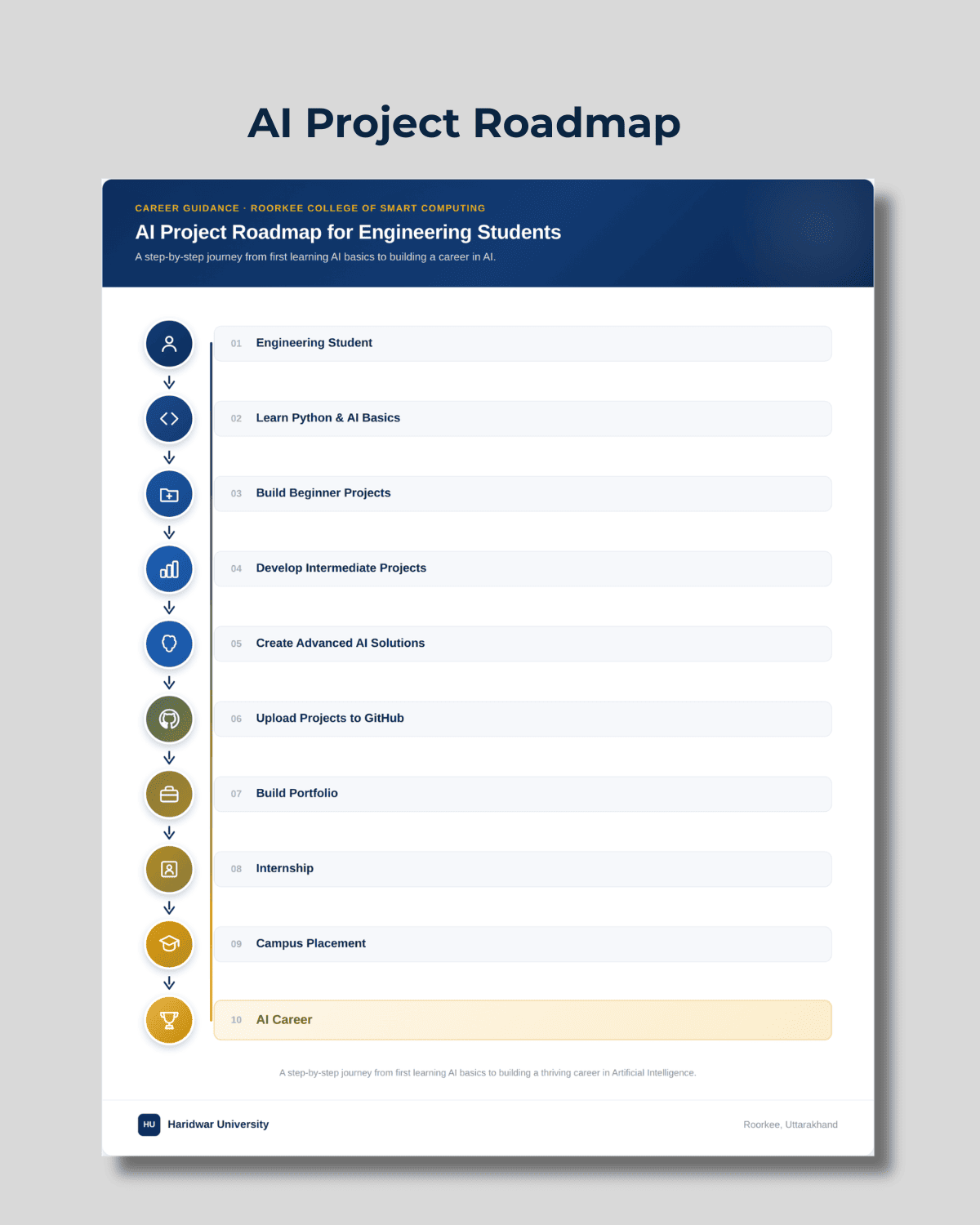
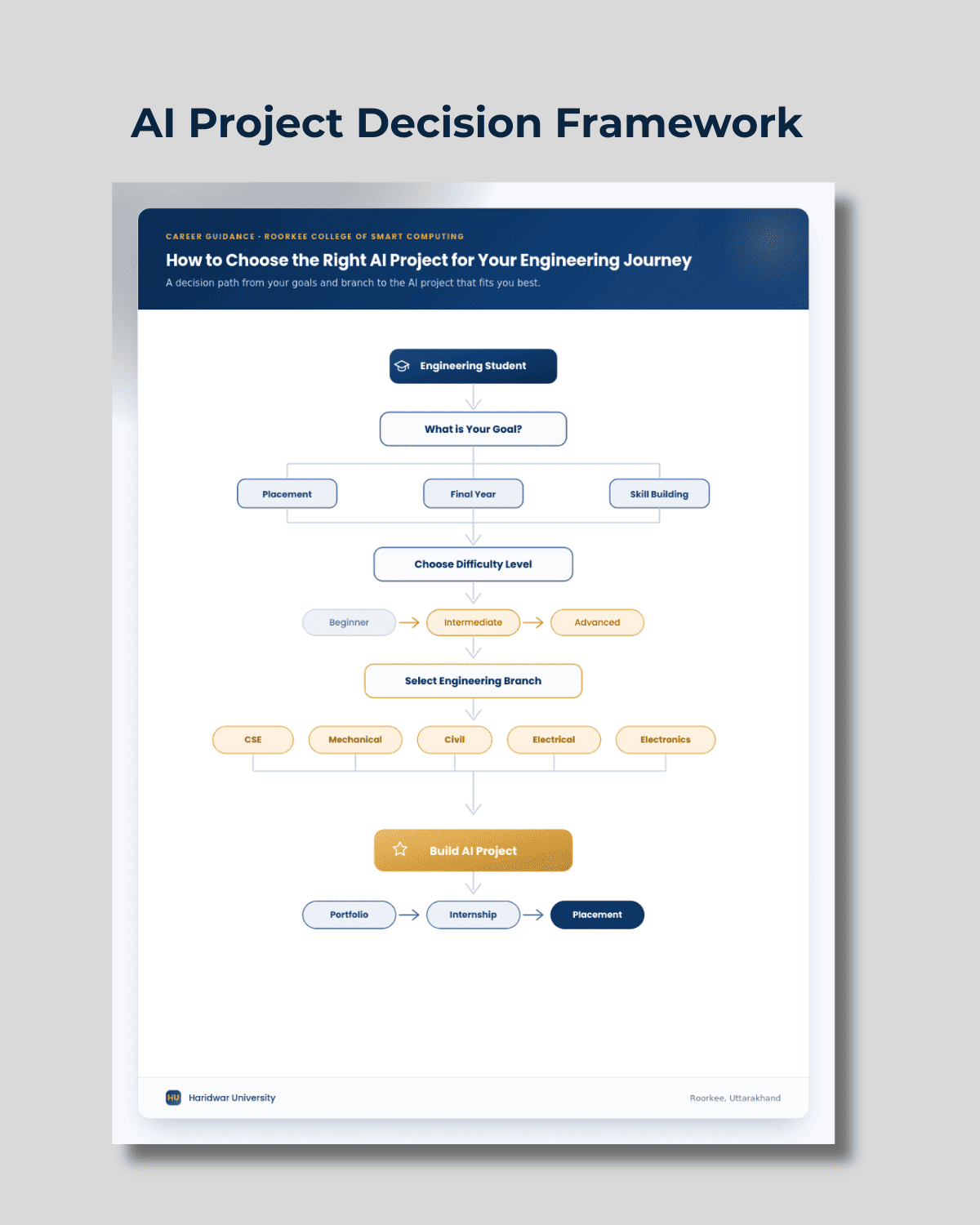
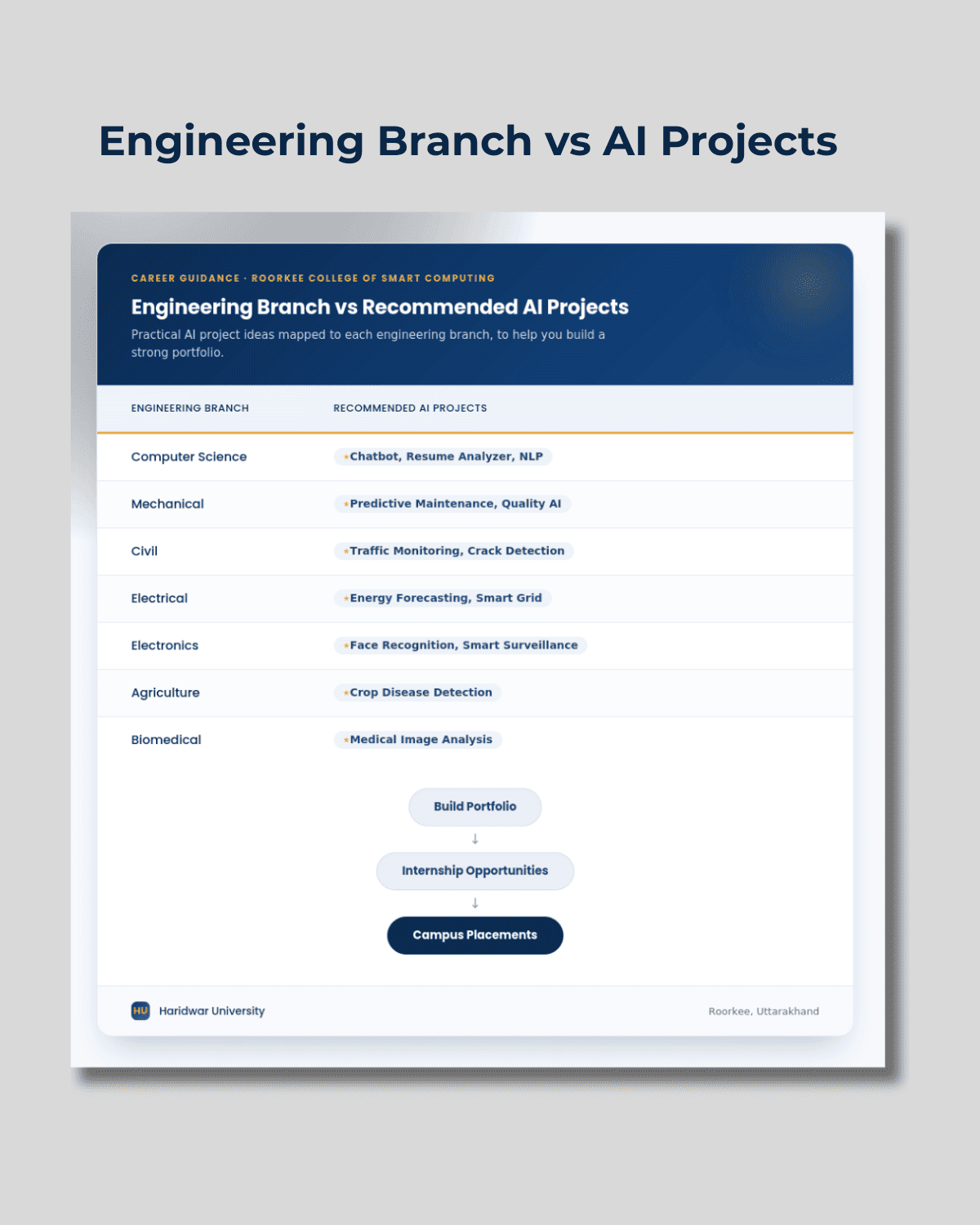
Why These Visuals Matter
Educational content is easier to understand when information is presented visually alongside written explanations. These original graphics were designed to improve readability, simplify decision making and encourage readers to interact with the content instead of only scanning through text.
Although this case study focuses on the article’s early SEO performance, I believe that creating genuinely helpful content remains one of the most important long-term SEO strategies. Search rankings may fluctuate over time, but content that solves real user problems has a stronger foundation for sustainable organic growth.
Performance Growth & Observations
Publishing a blog is only the beginning of an SEO project. The more meaningful part is observing how search engines respond to the content over time. To measure this, I monitored the article using Google Search Console and compared its performance during the first few weeks after publication.
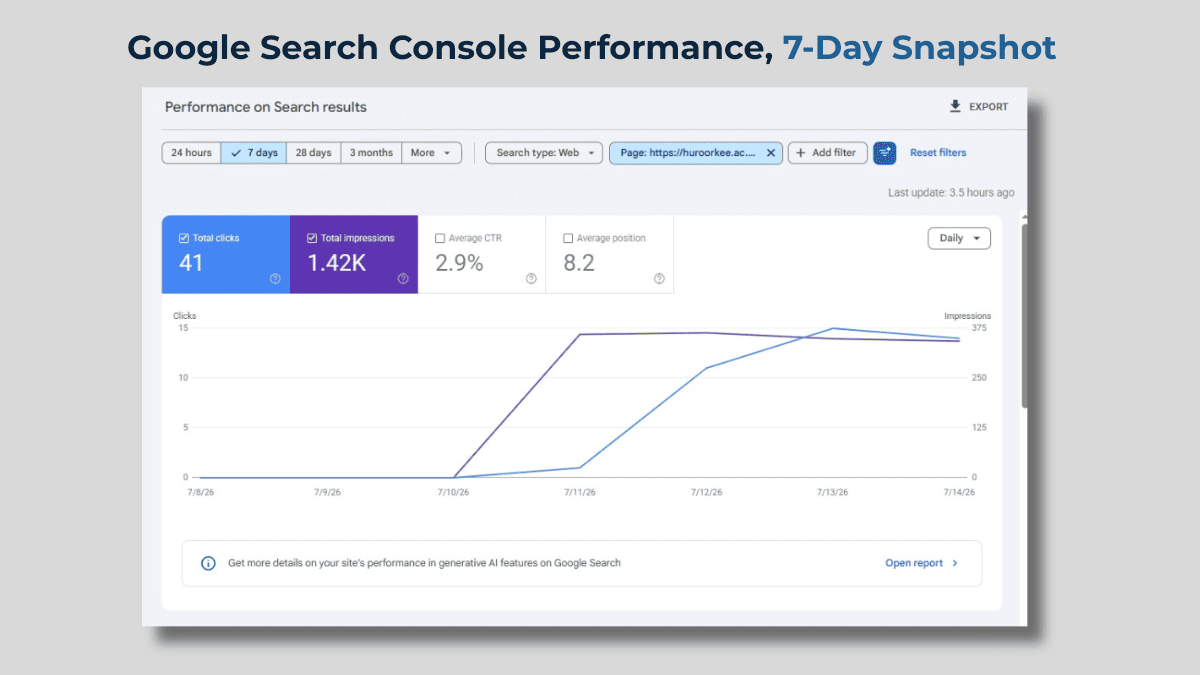
The first performance snapshot showed that Google had indexed the page quickly and started displaying it for relevant search queries. Although impressions were still relatively low at this stage, the page had already begun attracting organic clicks, confirming that it was reaching the intended audience.
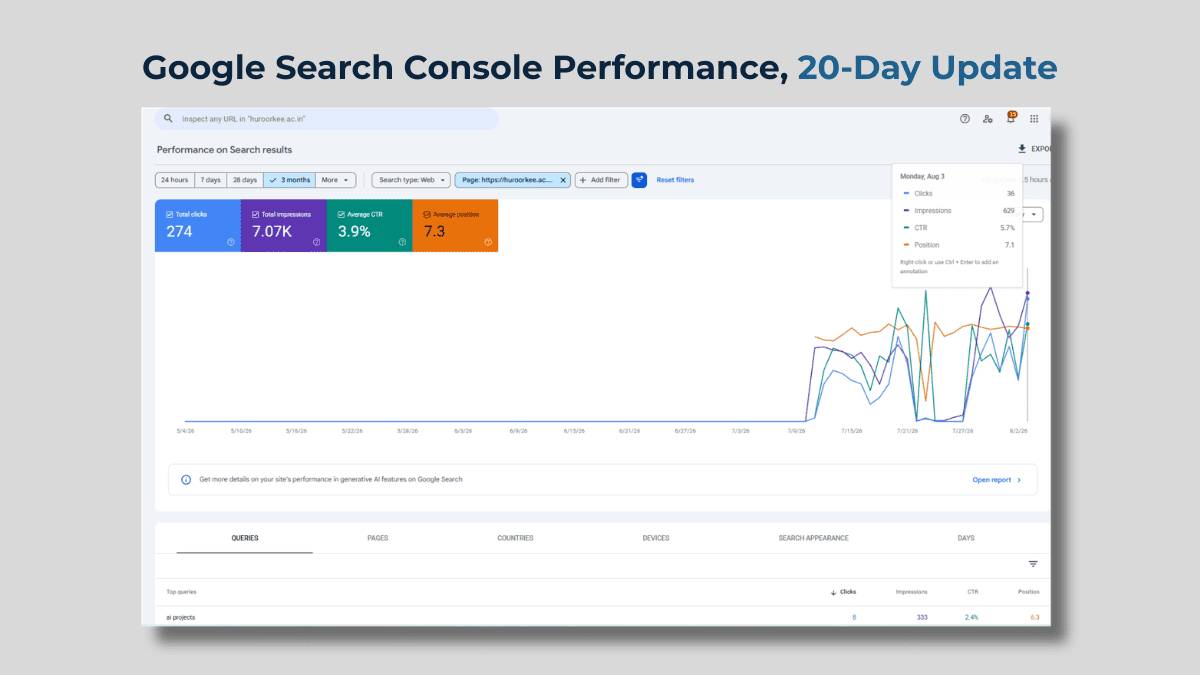
Twenty days after publication, the article had generated 204 organic clicks, 5,564 impressions, a 3.7% average CTR and an average position of 7.4. More importantly, the performance trend continued moving upward instead of plateauing shortly after indexing. This suggests that Google continued discovering new relevant queries and gradually increasing the article’s visibility.
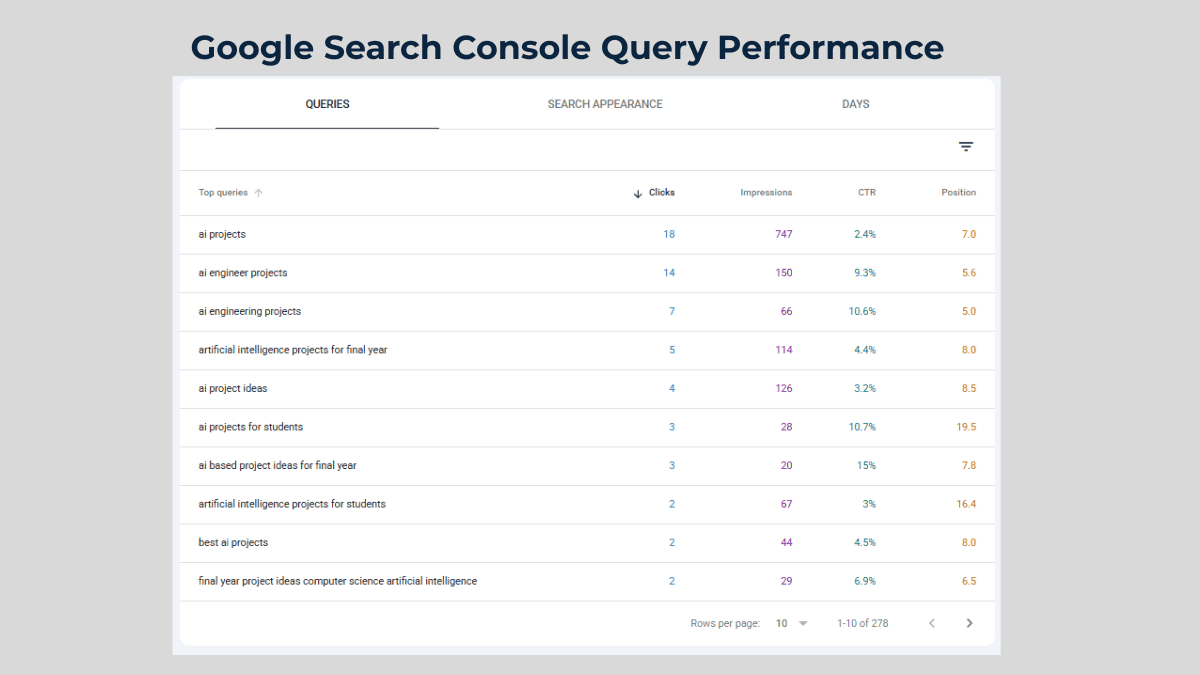
Another encouraging observation was that the article started appearing for multiple keyword variations instead of relying on a single primary query. This indicates that the content addressed the topic comprehensively enough to match a broader range of relevant searches.
My Observation
I consider these as encouraging early signals rather than final results. SEO performance usually develops over several months, so this case study documents the project’s initial progress instead of claiming long-term success. As more data becomes available, I will continue updating this page with future performance milestones.
Key Learnings
Every SEO project reinforces new observations. While this article is still in its early stages, several important lessons have already become clear.
Search Intent Guided Every Decision
Understanding what users expected from the topic influenced the structure of the article more than simply targeting keywords.
Original Assets Improved Content Quality
Custom visuals helped organise complex information into a format that was easier for students to understand and navigate.
SEO Is Measured Over Time
The first twenty days provided encouraging signals, but long-term performance will always be more meaningful than short-term fluctuations.
Helpful Content Creates Stronger Foundations
A well-structured resource designed around real user needs has greater long-term potential than content written only to target keywords.
Project Reflection
This project represents one of the real SEO assignments I completed during this project for Haridwar University. It reflects my approach to combining research, content strategy, on-page SEO and continuous performance monitoring into a single documented workflow.
If you would like to see more documented SEO work, you can explore my SEO Portfolio, where I continue adding new projects as they evolve. You can also read my Juyal Digital SEO Growth Journey to see how I applied many of the same SEO principles while building my own website. If you’re looking for practical SEO support for your business, you can also explore my SEO Services in Haridwar to understand how I approach local SEO projects.
For reference, you can also read the original article published on Haridwar University’s website. This case study will continue to be updated as new Google Search Console data becomes available.
Portfolio Note
This case study documents my personal contributions to an SEO content project completed for Haridwar University. It reflects my research, content strategy, on-page optimisation, original visual assets and performance observations recorded during the project.
The original article is published on Haridwar University’s official website and is referenced throughout this case study for attribution. This page is shared solely as part of my professional portfolio to demonstrate my SEO process and does not imply official endorsement or representation by Haridwar University.