
How Long Does SEO Take for a New Website? Why Results Feel Slow at First and Compound Over Time
If you have recently launched a website and started working on SEO, one question almost always comes up early, how long does SEO actually take?
It is a fair question. SEO requires time, effort, and consistency, so it is natural to want clarity on when results will start showing.
The reality is that SEO does work, but it rarely works instantly, especially for new websites.
Why SEO Always Feels Slow in the Beginning
When a website is new, Google does not yet understand how reliable, useful, or consistent it will be over time. Because of this, early SEO efforts focus more on evaluation than visibility.
In simple terms, Google first tries to understand who you are before deciding where to place you.
This early phase is closely connected to the reason why new websites usually take time to gain visibility. If you want a deeper explanation of this evaluation phase, you can read about why new websites take time to rank on Google.
The Realistic SEO Timeline for a New Website
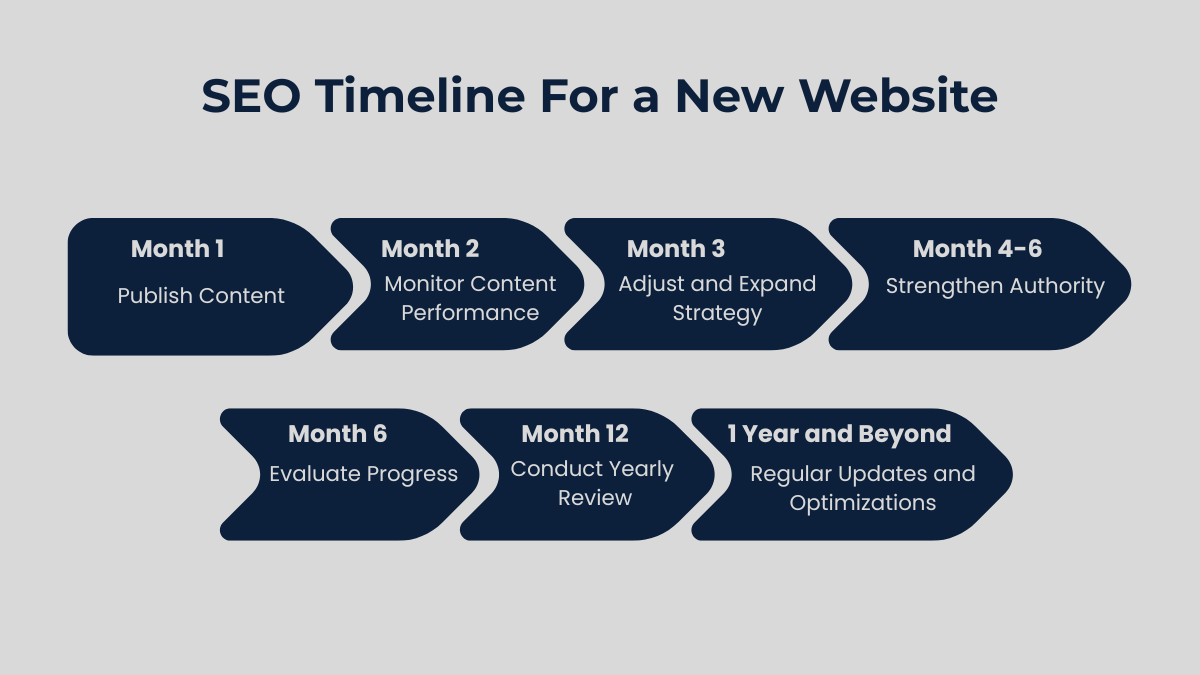
SEO does not follow a fixed schedule, but there is a general pattern that most well built websites experience.
The First Few Weeks
During the first few weeks, Google focuses on discovering your pages, crawling your content, and understanding how your website is structured.
At this stage, you may not see any traffic or rankings, but that does not mean nothing is happening.
The First Few Months
After some time, your website may start appearing in impressions inside Google Search Console. This means your pages are being considered for search results, even if clicks are still low.
In simple language, Google is testing your website quietly.
After Consistent Effort
Once Google sees consistency in content quality, internal linking, and user behavior, rankings begin to stabilize slowly.
This phase is where SEO starts feeling real, even though growth may still be gradual.
Why SEO Results Compound Over Time
SEO does not grow in straight lines. Instead, it builds on itself.
Each piece of helpful content improves context, internal links strengthen understanding, and trust accumulates gradually.
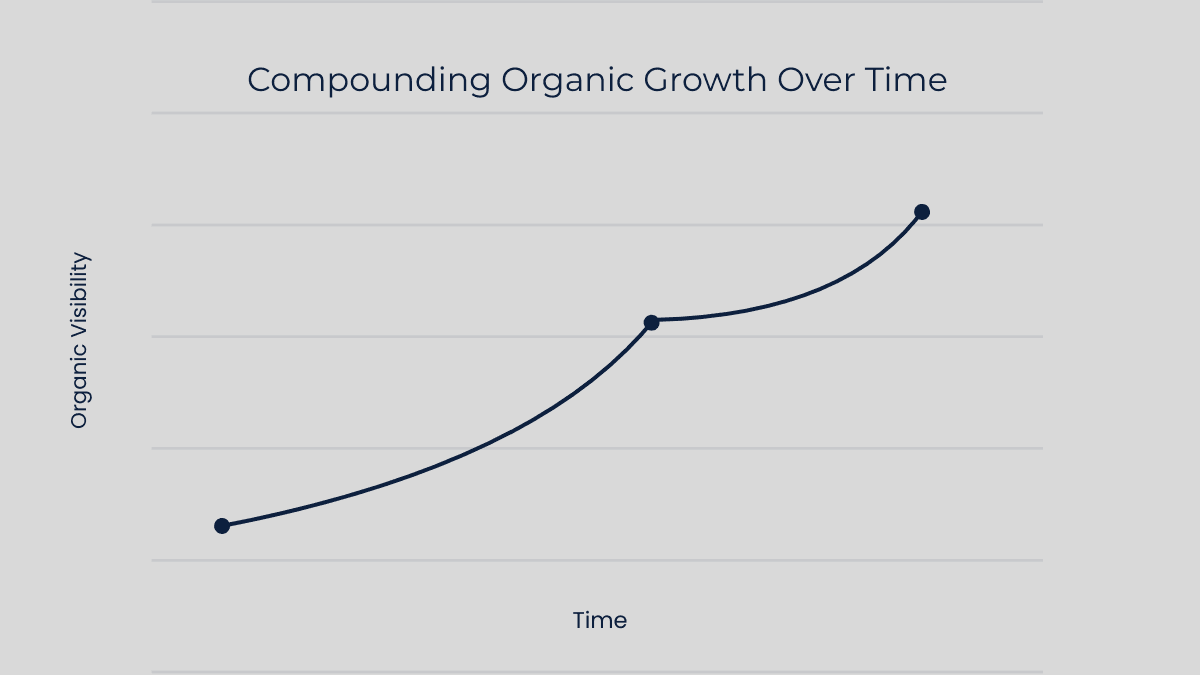
In simple terms, SEO grows like interest. It starts slow, but becomes more powerful as time passes.
What Progress Looks Like Before Rankings Improve
Many website owners assume progress only means rankings, but SEO progress shows itself in quieter ways first.
- Search impressions begin increasing
- More pages get crawled regularly
- New search queries start appearing in reports
These are signs that Google is paying attention, even if traffic is not yet visible.
Simply put, SEO shows signals before it shows results.
What Slows SEO Down for Most New Websites
In many cases, SEO slows down not because it does not work, but because it is interrupted.
Common issues include making constant changes, expecting immediate conversions, or chasing shortcuts instead of building clarity.
In simple terms, SEO slows down when patience runs out.
What You Should Focus on Instead of Rankings
For new websites, long term progress comes from consistency and clarity, not from tracking rankings daily.
This includes publishing helpful content, strengthening internal links, and maintaining a clear structure across the site.
This approach reflects how I work at Juyal Digital through ethical SEO services for local businesses, where the focus is long term growth rather than quick wins.
How This Approach Supports Long Term Visibility
Informational content builds trust, and trust supports commercial pages.
When a website demonstrates understanding before selling, Google finds it easier to trust service and location pages later.
In simple language, strong blogs make important pages safer to promote.
Final Thoughts
SEO is not instant, but it is predictable when done correctly.
Results feel slow at first because evaluation comes before visibility, and growth compounds because trust builds over time.
Websites that stay consistent usually see progress, while those that rush often stall.
SEO rewards steady effort, not urgency.