
What to Do When Your New Website Is Not Ranking Yet
If your new website is indexed on Google but not ranking yet, it can feel confusing and frustrating. Many site owners assume something is broken or that SEO is not working. In most cases, that assumption is incorrect.
A new website going through a slow ranking phase is normal. This phase is part of how Google evaluates new pages before deciding where they belong.
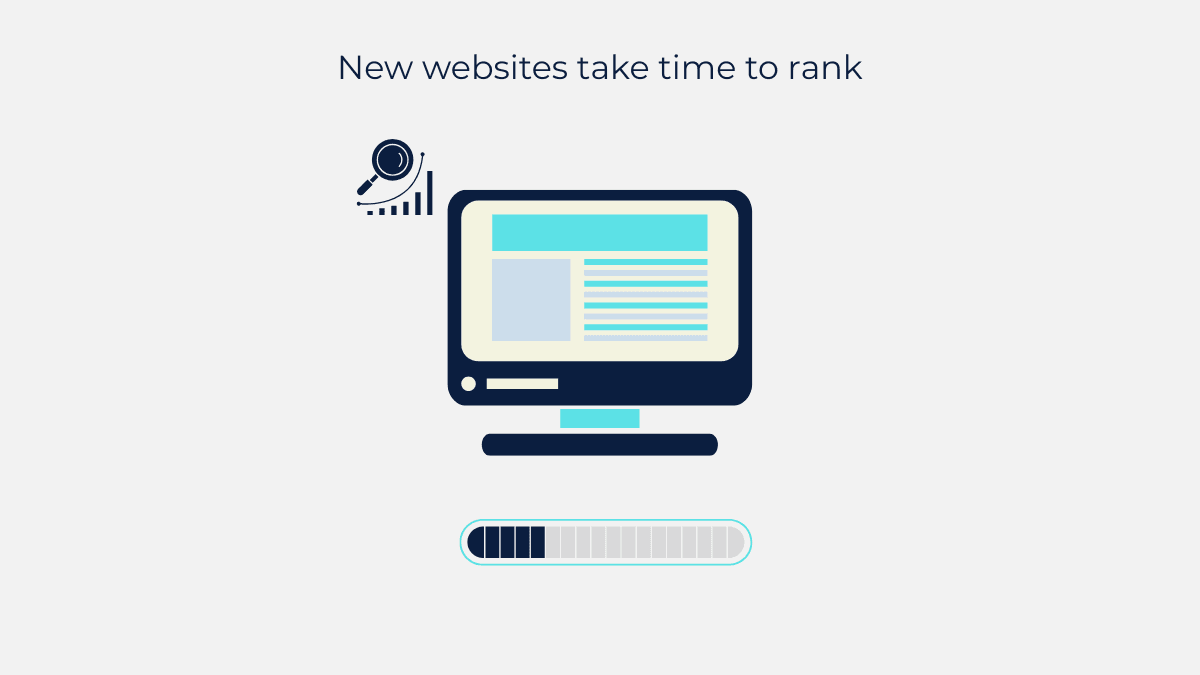
A New Website Not Ranking Does Not Mean Something Is Wrong
A website not ranking in the early stage does not mean SEO has failed.
When a site is new, Google has very little historical data to rely on. Before ranking pages, Google first observes how the site behaves, how pages relate to each other, and how users respond. This observation phase often happens quietly, without visible ranking movement.
This is also why many new sites appear indexed but invisible. If you want to understand this better, I have explained the difference clearly in my article on why indexing does not automatically lead to rankings.
Confirm the Basics Before Taking Any Action
Before doing anything else, I always confirm that the website is technically accessible to Google.
This does not mean running advanced audits or chasing SEO tools. It simply means checking whether Google can crawl and index the site without restrictions.
At this stage, I usually confirm:
- The important pages are indexed or indexing has started
- There is no accidental noindex setting
- The site loads reasonably well
- Google Search Console does not show major errors
If these basics are in place, there is no need to panic or make aggressive changes.
Why Doing Too Much SEO Too Early Often Slows Progress
One of the most common mistakes I see with new websites is doing too much SEO too early.
When pages are rewritten every week, headings are constantly changed, and structure keeps shifting, Google receives unstable signals. Instead of clarity, the algorithm sees inconsistency.
This is also why SEO sometimes feels slow or random at the beginning. Google is trying to evaluate pages that keep changing. I’ll cover this in more detail in a future article.
Stability allows Google to measure real signals. Constant changes reset that evaluation process.
What I Focus On Instead During This Phase
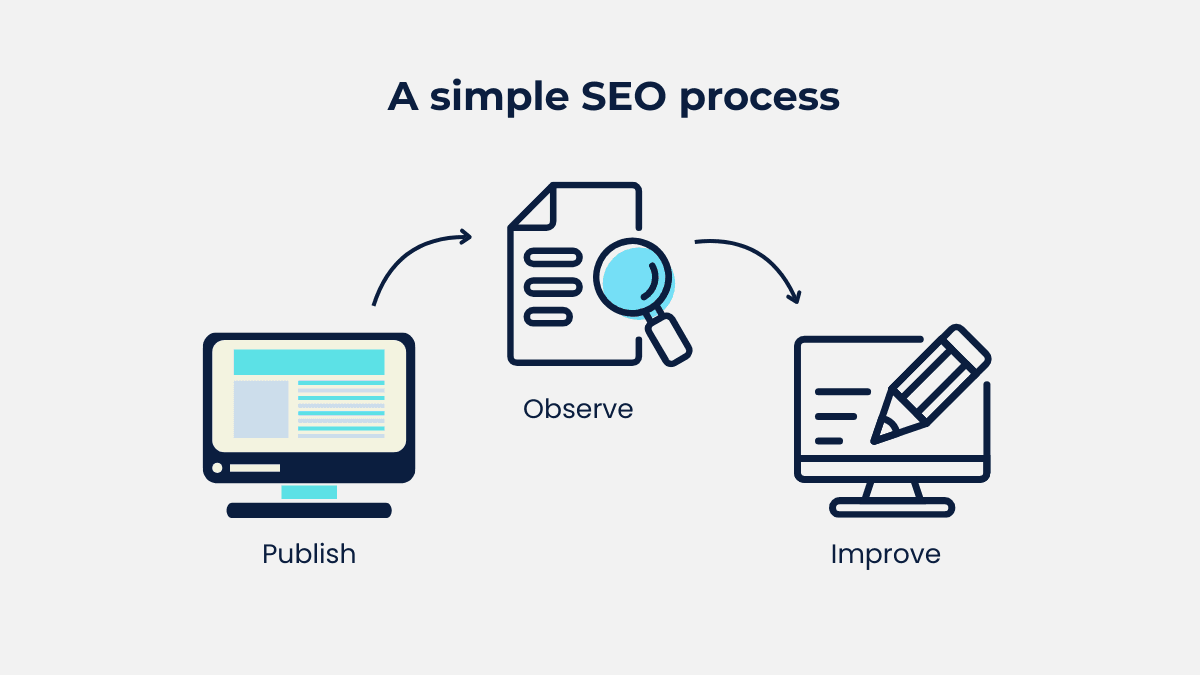
When a new website is not ranking yet, I focus on stability, clarity, and consistency.
These are signals Google can observe over time without confusion.
- Improving content clarity instead of publishing aggressively
- Building internal links so pages support each other
- Keeping the site structure stable
- Publishing consistently, not excessively
This approach allows Google to understand what the site is about and how pages relate to one another. It also creates a stronger foundation for future growth.
This is the same approach I follow in my SEO work for new and growing websites, especially when rankings have not started yet.
What to Avoid While Waiting for Rankings
What you avoid during this phase matters just as much as what you do.
Many websites slow their own progress by reacting emotionally instead of logically.
- Making SEO changes every few days
- Comparing a new site with older competitors
- Buying backlinks too early
- Obsessing over daily ranking checks
These actions usually introduce noise instead of building trust. Search engines need consistent signals to evaluate quality.
What Usually Happens Next
Ranking improvements usually come gradually, not suddenly.
In most cases, the first visible signal is an increase in impressions. After that, small ranking movements start appearing. With consistency, those movements stabilize.
This progression often aligns with realistic SEO timelines, which I have explained in my article on how long SEO usually takes for new websites.
Nothing Is Broken, Stay the Course
If your new website is not ranking yet, it does not mean SEO is failing.
In most cases, it simply means Google is still building trust signals. Staying consistent, improving gradually, and avoiding panic changes usually leads to better results than aggressive fixes.
SEO rewards clarity and patience. When those signals are in place, rankings tend to follow.